
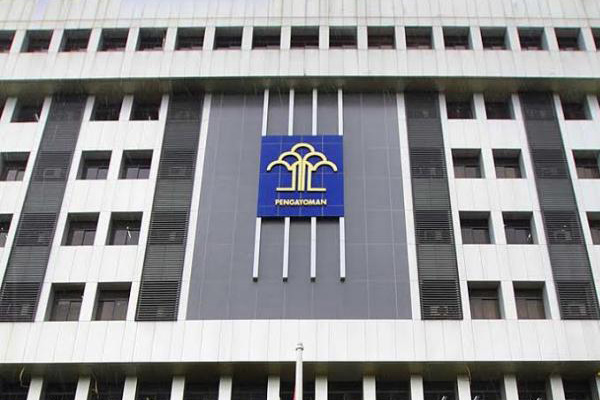
On 13 January 2026, the Minister of Law of the Republic of Indonesia (“MOL”) issued Minister of Law Regulation No. 5 of 2026 on Trademark Registration (“MOL Regulation No. 5/2026”). The regulation was promulgated and came into force on 23 February 2026, replacing Minister of Law and Human Rights Regulation No. 67 of 2016, as amended by Regulation No. 12 of 2021.
MOL Regulation No. 5/2026 consolidates and updates the procedures governing trademark registration, covering the filing of applications, publication, substantive examination, and the issuance of trademark certificates. For trademark applicants and owners, the regulation sets out defined processing timelines and documentary requirements at each stage of the registration process.
- Clearer Timelines for the Registration Process
One of the common concerns in trademark registration is the uncertainty surrounding the length of the registration process. MOL Regulation No. 5/2026 addresses this issue by establishing clear timelines for each stage of the process:- A trademark application may be filed either electronically through the official website of the Directorate General of Intellectual Property (“DGIP”); or non-electronically through the service counter at the DGIP or a regional office, where officers assist applicants in submitting the application through the DGIP’s official online system.
- The completeness of the application documents must be examined within 15 working days from the Official Filing Date (Tanggal Penerimaan).
- If any required documents are incomplete, the MOL must notify the applicant within 30 working days from the Official Filing Date (Tanggal Penerimaan). The applicant must complete the missing documents within two months from the date on which the deficiency notice is dispatched. If the required documents are not submitted within this period, the MOL will notify the applicant that the application is deemed withdrawn.
- The MOL will publish the application in the Official Trademark Gazette within 15 working days from the Official Filing Date (Tanggal Penerimaan). The publication period lasts for two months.
- During the publication period, any party may file a written opposition with the MOL, supported by sufficient reasons and evidence showing that the applied-for trademark should not be registered or should be refused under the applicable laws and regulations. Any opposition submitted after the publication period has expired will not be processed.
- In response to an opposition, the applicant has the right to submit a written counterstatement to the MOL within two months from the date on which the MOL sends the applicant a copy of the opposition.
- If no opposition is filed, substantive examination begins upon expiry of the publication period and must be completed within 30 working days. If an opposition is filed, substantive examination must begin within 30 working days after expiry of the period for submitting a counterstatement and must be completed within 90 working days.
- If the substantive examination concludes that the application is registrable, the Minister will register the trademark, notify the applicant of the registration, issue the trademark certificate electronically, and publish the registration in the Official Trademark Gazette in both electronic and non-electronic formats.
- Required Documents
A trademark application must be accompanied by a declaration of trademark ownership and a valid applicant identification document. A power of attorney must also be submitted where the application is filed through an authorised intellectual property consultant.Where the applicant is a legal entity, the application must additionally include the relevant documents evidencing approval of its establishment or any amendment to its legal-entity particulars.An applicant filing under the micro or small enterprise category must also provide one of the following:- a recommendation letter confirming its micro or small enterprise status, valid for one trademark in a single application and signed by the competent authority in the same year as the application;
- a risk-based business licence for a micro or small enterprise registered through the Online Single Submission system;
- a certificate of registration for the establishment of an individual limited liability company (Perseroan Perorangan); or
- approval of the establishment of a Koperasi Desa/Kelurahan Merah Putih as a legal entity.
Additional documents apply to particular applications, including evidence and a sworn Indonesian translation for priority claims, and a sound recording where the application concerns a sound mark.