
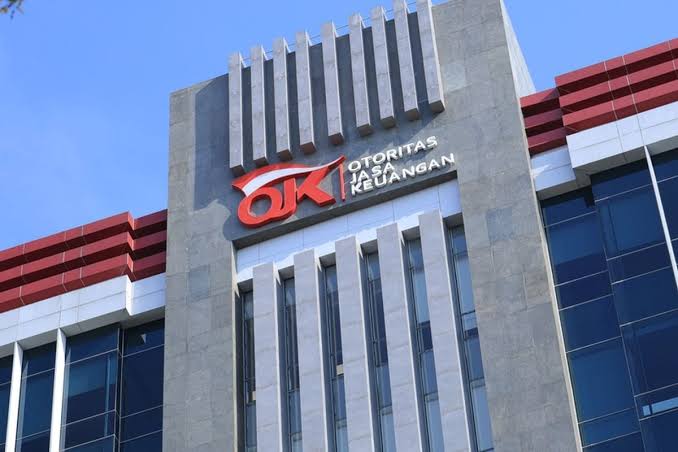
On 19 December 2025, Indonesia’s Financial Services Authority (Otoritas Jasa Keuangan or “OJK”) issued OJK Regulation No. 40 of 2025* (the “New Regulation”), which will take effect on 22 June 2026, upon which OJK Regulation No. 30 of 2015** will be revoked and replaced. The New Regulation moves beyond the previous reporting-focused approach and introduces a broader governance framework for the planning, use, reporting, disclosure, and oversight of public offering proceeds. Its overall direction is clear: stronger investor protection and greater issuer accountability in the management of public funds.
One of the most notable changes is the expanded transparency requirement. Under the new regime, issuers must not only submit a report on the realization of the use of proceeds (Laporan Realisasi Penggunaan Dana or “LRPD”) to OJK but must also publicly disclose that report. This reflects a shift toward ensuring that investors have access to the same information provided to the regulator. The LRPD must, at a minimum, be disclosed on the issuer’s website. For issuers listed on a stock exchange, the disclosure must also be published through the stock exchange’s official website. The disclosure must be made in Bahasa Indonesia and at least one foreign language, namely English.
The New Regulation also introduces clearer rules on the segregation of public offering proceeds. Issuers are required to place the proceeds in a dedicated account opened in their name at a commercial bank or Islamic commercial bank supervised by OJK. That account must be kept separate from the issuer’s operational accounts, reinforcing the principle that public offering proceeds should be managed distinctly from day-to-day business funds.
In addition, OJK has tightened restrictions on how unused proceeds may be handled. The existing prohibition on using unused proceeds as collateral remains in place, but the New Regulation goes further by expressly prohibiting the use of such proceeds to finance share buybacks. This addition underscores OJK’s intention to ensure that funds raised from the public are used consistently with their stated purpose and are not diverted to transactions that could alter capital management priorities.
Taken together, the New Regulation signals a more disciplined and transparent approach to post-offering fund management. For issuers, the new framework is likely to require closer coordination across finance, legal, compliance, and investor relations functions as the June 2026 effective date approaches.
Regulatory References:
*OJK Regulation No. 40 of 2025 on the Use of Proceeds from Public Offering.
**OJK Regulation No. 30/POJK.04/2015 on Report on the Realization of the Use of Proceeds from Public Offering.