
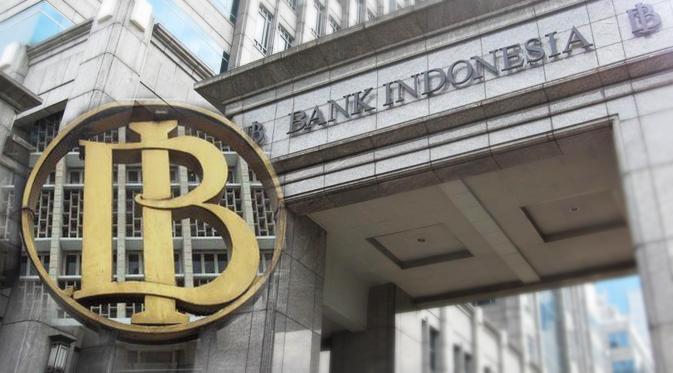
As part of its ongoing efforts to refine monetary policy and strengthen macroeconomic stability, Bank Indonesia (“BI”) has issued Regulation No. 5 of 2025 on Monetary Policy (“Regulation”), effective as of 27 March 2025. This Regulation outlines a renewed framework for monetary operations, centering around three strategic objectives: (i) maintaining low and stable inflation, (ii) ensuring a stable rupiah exchange rate, and (iii) safeguarding adequate foreign exchange reserves. These pillars are designed to support sustainable economic growth and long-term financial resilience.
To manage inflation, BI relies on a combination of primary and supporting instruments. BI sets its benchmark interest rate (BI-Rate), alongside the lending and deposit facility rates, as core instruments to guide market expectations. These are supported by various liquidity management instruments, rupiah money market operations, and regulations aimed at maintaining price stability.
In pursuit of rupiah exchange rate stability, BI undertakes both spot and derivatives market interventions, while also managing foreign exchange liquidity through market operations and prudential oversight of foreign exchange traffic. These instruments are designed to buffer external shocks and preserve currency stability in the face of volatile global conditions.
To ensure the sufficiency of foreign exchange reserves, BI applies foreign reserve management strategies that include direct interventions as well as the management of foreign exchange inflows and outflows. Supporting mechanisms, such as foreign exchange traffic management and compliance monitoring, further reinforce BI’s ability to maintain adequate reserves to meet external obligations and sustain market confidence.
The Regulation imposes obligations on various market participants—including individuals, banks, non-bank corporations, and financial market infrastructure providers—to comply with the implementation of BI’s monetary instruments. Non-compliance will result in administrative sanctions.
In carrying out its mandate, BI is authorized to conduct surveys, collect and exchange data with relevant authorities, and request information from related parties. Commercial banks, financial institutions, and even parent or affiliated entities may be required to provide data relevant to monetary policy objectives. Failure to provide such information will also lead to administrative sanctions.
Oversight of monetary policy implementation is conducted through a combination of indirect monitoring and direct examinations. These include BI’s approval of long-term foreign debt transactions and other supervisory mechanisms. In tandem with these tools, BI emphasizes transparency and policy communication to foster accountability. By articulating its policy direction clearly, BI seeks to guide market expectations and support informed economic decision-making, thereby improving the overall effectiveness of its monetary operations.
This Regulation marks a continuation of BI’s commitment to strengthening Indonesia’s monetary framework in an increasingly complex global economic environment.